




-
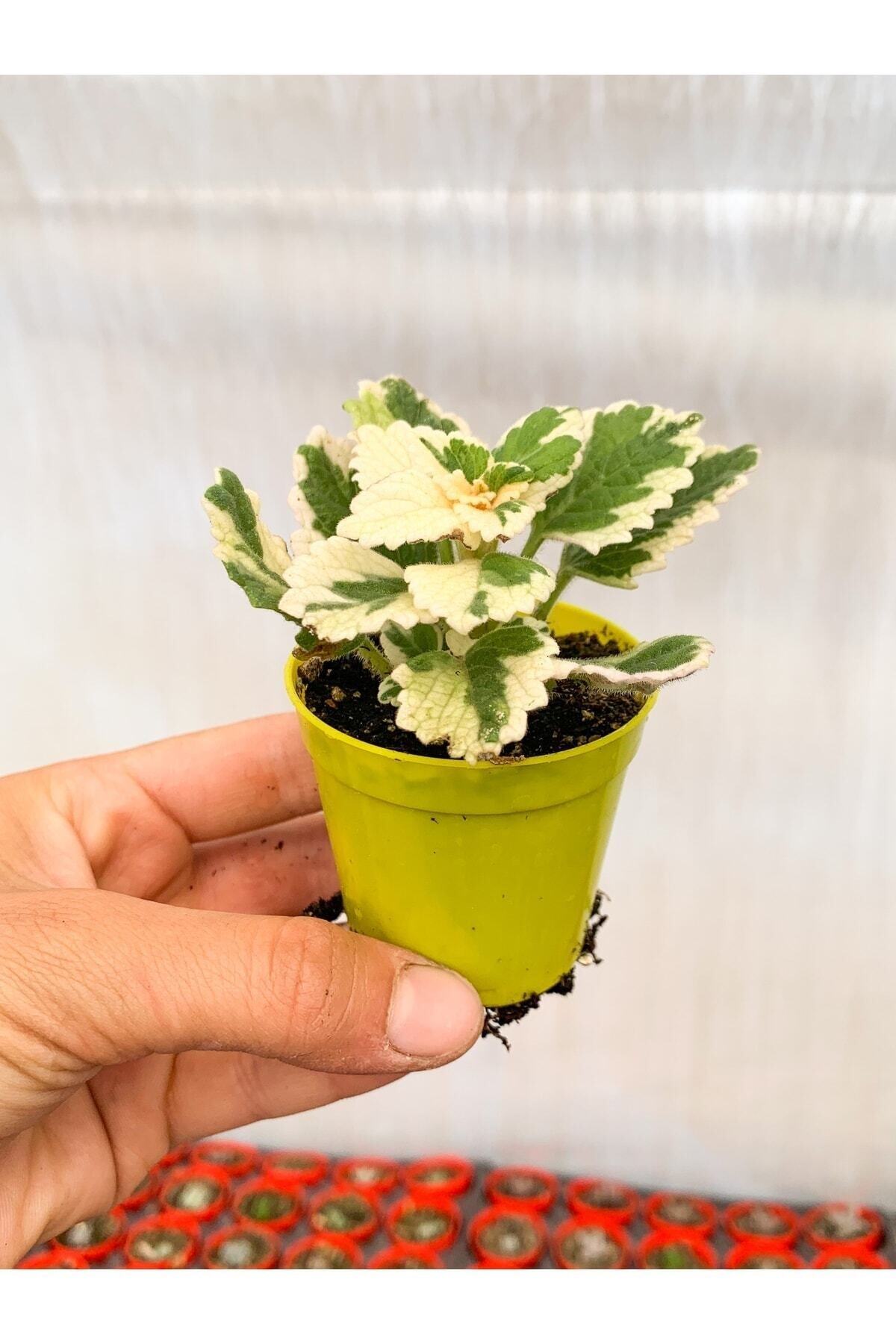
Video 1 Sage Scented White Variegated Succulent 5-10 cm Tube Flowering Dwarf Plants Succulent The plants that reach your hand may have small differences in leafless or height without flowers due to the season.
-
However, if there is any breakage or fading, you can contact us and request a re-supply.
-
They are the products from the production greenhouse, all of them are sent with production pots/tubes. Soil: The best soil for succulents is cactus and succulent soil with a well-drained structure.
-
This type of soil provides rapid drainage of water and prevents the roots from rotting.
-
If you want to prepare your own soil at home, you can use a mixture of sand, perlite and peat.
-
Irrigation: Succulents retain water, so excessive irrigation can cause root rot.
-
Allow the soil to dry completely and then irrigate deeply.
-
Generally, the watering interval may vary depending on the season and the type of plant.
-
You may need to reduce the frequency of watering during the winter months.
-
Sunlight: Succulents often need direct sunlight.
-
However, some species that are exposed to excessive sunlight can cause burns on their leaves.
-
Keep it in a suitable location according to the amount of sunlight your plant needs.
-
Pot Selection: Terracotta or clay pots are a good choice for succulents because these materials can help evaporate water.
-
In addition, the fact that there are drainage holes under the pot allows the water to be discharged quickly.
-
Pruning: Succulents usually do not need pruning, but you can prune from time to time to remove unwanted or diseased parts.
-
Temperature: Succulents usually grow best in temperate to warm climates.
-
When exposed to low temperatures, they can be damaged in some species.
-
Therefore, you can take it indoors to protect your plants during cold waves.
•
•
•
•
•
•
•
•
•
•

favorite
Favoritesaccount_circle
Sign Inshopping_bag
Cart Catalogue
