


-
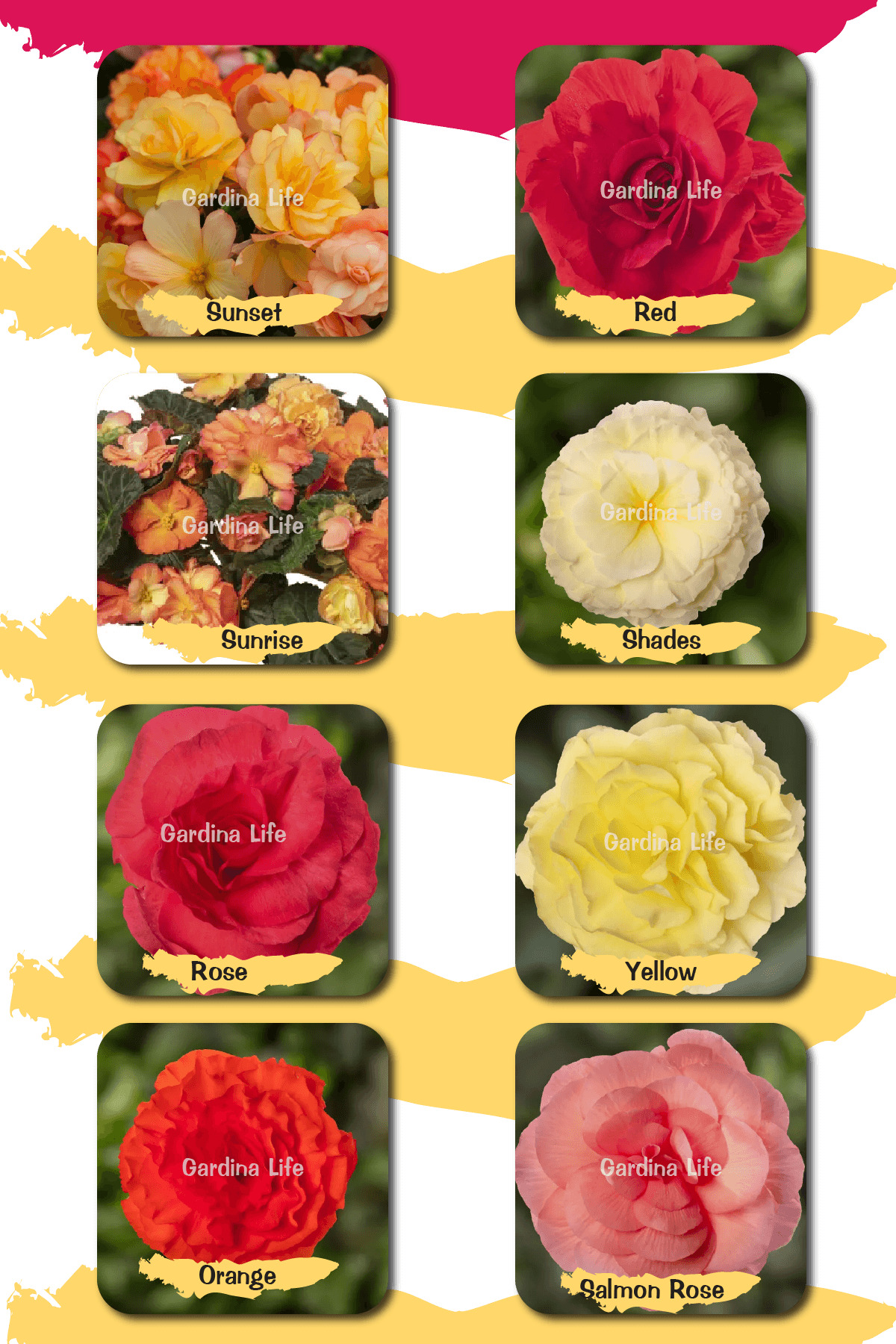
Rose Begonia Care Guide Rose begonia is a very flamboyant ornamental plant with its layered and rose-like flowers.
-
When provided with proper care, it can remain flowering for a long time and can be grown comfortably indoors.
-
Need for 🌞 Light He/she likes bright environments but not direct sunlight.
-
Morning or evening sunshine can be tolerated.
-
Direct midday sun causes leaf burns.
-
🌡️ Temperature Ideal temperature: 15-22°C should not fall below 12°C.
-
Aversion to sudden changes of temperature.
-
💧 Irrigation The top surface of the soil should be irrigated as it dries.
-
Excessive irrigation causes root rot.
-
It is recommended not to touch the leaves and flowers during irrigation.
-
Irrigation is reduced in winter.
-
🌱 Soil Light, permeable and humid soil is ideal.
-
Peat + perlite mixture is appropriate.
-
There must be a drainage hole under the flower pot.
-
🌸 Fertilization During the flowering period (spring-summer), liquid flowering plant food can be given every 2-3 weeks.
-
No fertilizer is given in winter.
-
✂️ Pruning Fading flowers should be cleaned regularly.
-
Light pruning can be done after flowering.
-
Maintenance Recommendations According to 🇹🇷 Turkey Regions 🌊 Marmara Region Humidity rate is generally appropriate.
-
It should be protected from the midday sun in summer.
-
It should be kept away from drafts on the windowsill in winter.
-
🌿 Aegean Region Since summers are very hot and dry: It should definitely be protected from the direct sun.
-
Soil has to be checked more frequently.
-
Since humidity will decrease in environments with air conditioning, the ambient humidity can be increased without spraying water on the leaves.
-
☀️ Mediterranean Region High temperature and intense sun are the biggest risks.
-
If it is to be looked at outdoors in summer, it must be kept in the shade area.
-
Irrigation monitoring is important as the soil will dry out quickly.
-
Air conditioning and extreme heat can stress the plant.
-
Central 🌾 Anatolia Region Since winters are very cold: Attention should be paid to the risk of frost by the window.
-
It has to be removed from the window at night.
-
Semi-shade area should be preferred in extreme heat in summer.
-
Since the humidity is low, the ambient humidity can be increased.
-
🌧️ Black Sea Region Moist air is an advantage for begonias.
-
But too much moisture can lead to fungal diseases.
-
An airy but draught-free environment has to be provided.
-
The illuminated position without direct sunlight is ideal.
-
🏔️ Eastern Anatolia Region should be looked at indoors in winter.
-
It has to be kept away from cold window glass.
-
Sunny but warm environments should be preferred during the day.
-
🌞 Southeastern Anatolia Region should be grown indoors in filtered light due to extreme heat in summer.
-
Soil dries quickly
-
regular inspection is required.
-
Ambient humidity can be increased (by placing a water container next to it).
-
⚠️ Common Problems and Solutions Leaf yellowing: Excessive irrigation or root rot.
-
Pouring buds: sudden change of temperature or thirst.
-
Leaf burns: direct sun.
-
No flowering: Insufficient light or lack of nutrients.
-
Rose Begonia – Agricultural Pests Aphids: It absorbs sap in leaves and shoots, causing yellowing and twisting.
-
Whitefly: It occurs under the leaves, weakens the plant and leads to leaf loss.
-
Red spider: Occurs in hot and dry environment, forms yellow spots on leaves.
-
Trips: Causes discoloration and deformity in flowers and leaves.
-
Floury lice: It creates a cottony structure on the trunk and leaf stems and slows down development.
-
Protection and Fighting: Plants have to be checked regularly.
-
Excessive irrigation has to be avoided.
-
Ventilation has to be provided.
-
Appropriate plant protection products have to be used when necessary.
•
•
•
•
•
•
•
•
•
•

favorite
account_circle
shopping_bag
Cart Catalogue
